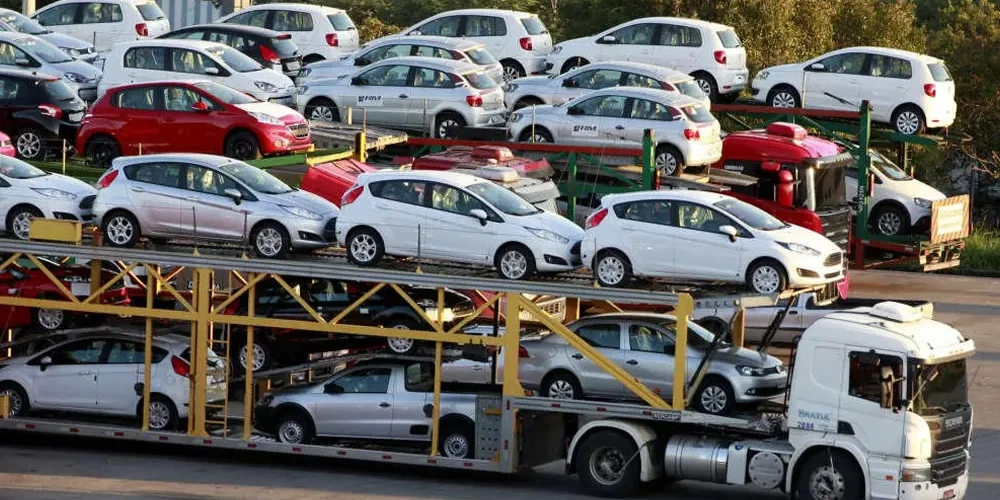
Importing a car from the UAE to Iran is not a walk in the park at the moment. Iran still allows vehicle imports via a number of eligible routes, but in August 2026, the UAE announced that all trade, commercial exchanges, and financial transactions with Iran have been suspended until further notice. This creates a major restriction for anyone planning to buy a vehicle in Dubai and send it to Iran.
There are two separate questions to consider. First, do the buyer and vehicle qualify under Iran’s import regulations? Second, can the purchase, payment, and export transaction legally proceed from the UAE under the current restrictions?
A vehicle meeting Iran’s import conditions does not automatically resolve the second question. Buyers should establish both before paying a seller, arranging transport, or committing to an export.
Can you import a car from the UAE to Iran?
At present, you should not assume that a normal commercial vehicle export from the UAE to Iran can proceed. On 19 August 2026, the UAE Ministry of Foreign Affairs announced that all trade, commercial exchanges, and financial transactions with Iran had been halted until further notice. The announcement did not describe a separate exemption for passenger vehicles or ordinary car-export transactions.
The announcement is broad, so buyers should obtain current written guidance from the relevant UAE authorities and qualified trade-compliance professionals before entering into a transaction. Do not rely only on a seller’s assurance or an earlier export procedure. This statement is important because it separates a restriction on one import route from a general prohibition on all vehicle imports.
However, it should not be interpreted as blanket permission for any individual or company to import any vehicle. The buyer still needs to establish which legal route applies, whether the relevant order-registration procedure is open, and whether the specific vehicle meets the conditions attached to that route. In other words, Iran allowing some vehicle imports does not mean every buyer is eligible.
Do all car brands qualify for import into Iran?
No. Brand eligibility and vehicle eligibility need to be checked separately. The rules reported for the relevant used-car import procedure include conditions relating to authorised brands and after-sales service arrangements. A published summary of Iran’s Article 11 requirements identifies brands covered by the relevant approval framework.
However, seeing a manufacturer’s name on an approved list is not enough to conclude that every model, trim or vehicle from that brand will qualify.
The importer should establish:
- Whether the exact manufacturer is covered by the applicable procedure.
- Whether the specific model is eligible.
- Whether the vehicle’s manufacturing year meets the rule.
- Whether the required after-sales service arrangements apply.
- Whether technical and other approvals can be obtained.
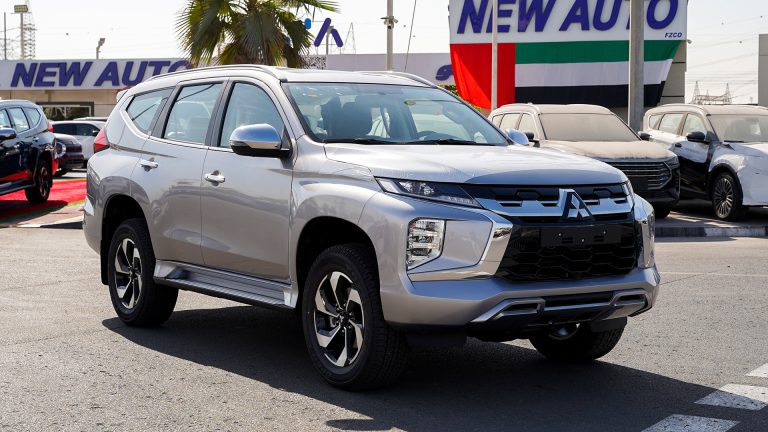
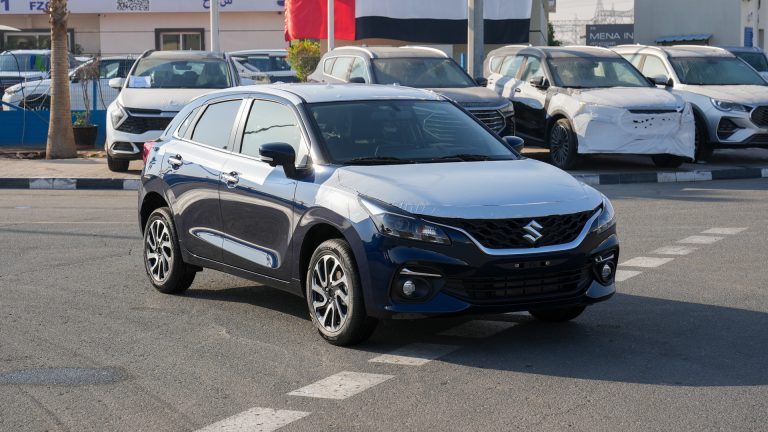
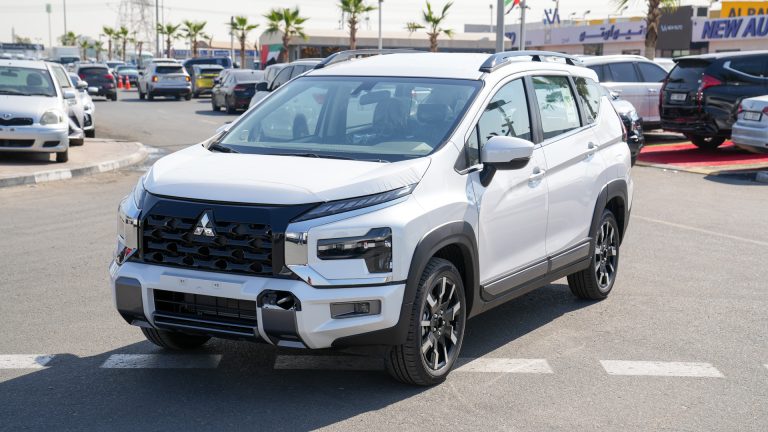
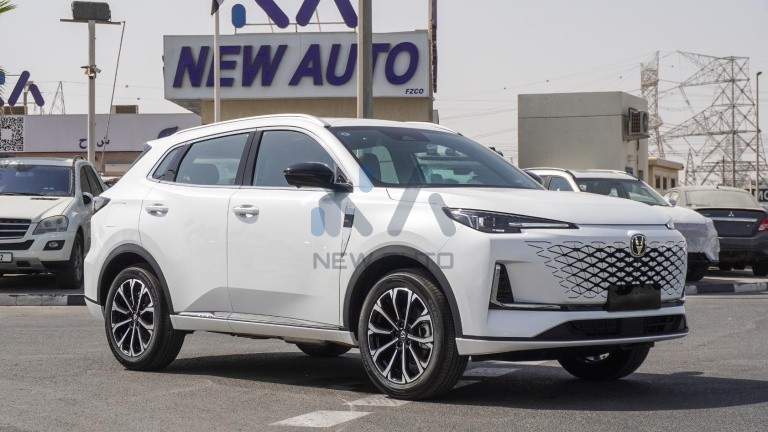
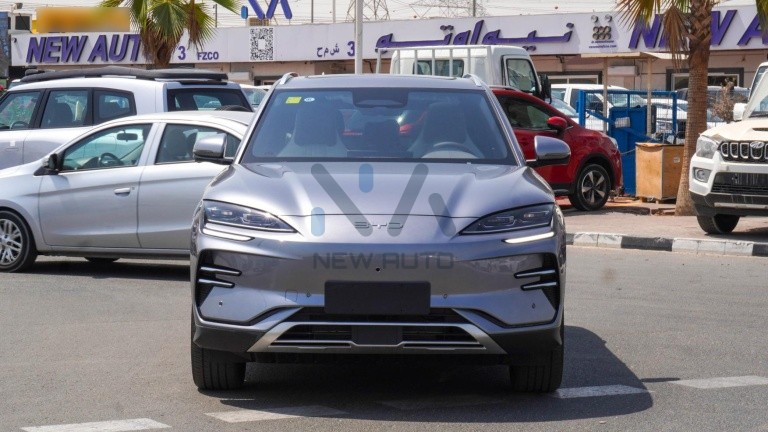
This is particularly relevant when choosing a vehicle from a UAE showroom or trading company. A model being available for sale in Dubai does not automatically make it eligible for import into Iran.
What documents may be needed to import a car into Iran?
The exact documentation depends on the import route, the buyer’s eligibility, and the vehicle category. It is better to identify the purpose of each document than to assume that one standard checklist applies to every import.
The following table gives examples of documents and approvals that may be relevant. It is an indicative preparation list, not a confirmed universal checklist for every Iranian import procedure.
For a broader overview of the paperwork involved in exporting a vehicle from the UAE, see our guide to documents needed to export a car from the UAE. This can help buyers understand the UAE-side documentation process before arranging an international shipment.
| Document or approval | What it establishes | What still needs checking |
|---|---|---|
| Vehicle invoice | Purchase details and declared transaction value | Whether the transaction can legally proceed |
| Registration or ownership documents | Vehicle ownership and registration details | Whether the seller has the right to transfer the vehicle |
| VIN and vehicle details | The identity and specifications of the vehicle | Whether the details match the supporting records |
| Manufacturing records | The vehicle’s manufacturing year | Whether it meets the applicable age condition |
| UAE export documentation | Completion of the relevant UAE vehicle export procedure | Whether the export transaction itself is permitted |
| Iranian order registration | Registration under the applicable import route | Whether the buyer and vehicle are eligible |
| Technical approvals | Compliance with relevant vehicle requirements | Which approvals apply to the specific vehicle |
| Shipping documents, such as a Bill of Lading | Details of the cargo and shipment | Whether the shipment can lawfully proceed |
The distinction between export documentation and import approval is particularly important.
For example, Dubai’s Roads and Transport Authority (RTA) provides a service for cancelling vehicle registration and obtaining an export certificate for vehicles registered within the Dubai traffic system. That is an administrative vehicle-export procedure. It does not establish that the wider UAE-to-Iran commercial transaction is permitted or that Iranian authorities will approve the vehicle for import.
Roads & Transport Authority
Also, Dubai RTA procedures should not automatically be applied to vehicles registered in other Emirates. The relevant authority and process depend on where the vehicle is registered.
What should you check before buying a car in Dubai for Iran?
First, make sure that you are eligible and have permission to transact and pay for the vehicle in the safest way. A buyer can start with the following checks.
1. Confirm the import route
Identify the Iranian import procedure that applies to the buyer. Do not assume that an individual, company, or overseas Iranian can use the same route.
2. Check the exact vehicle
Check the make, model, variant, year of manufacture, and VIN. If the planned route has an age limit, get to know the actual year of manufacture instead of the model year in the ad.
Before making a payment, buyers should also complete a VIN verification for a car export from Dubai to confirm the vehicle’s identity and check available vehicle history, including accident records and other important details.
3. Verify brand and technical eligibility
Check whether the manufacturer and exact vehicle are covered by the relevant Iranian approval requirements. Brand recognition alone is not sufficient.
4. Confirm order-registration availability
An import route may exist in legislation while its practical registration process is suspended, restricted, or subject to additional conditions. Confirm that the buyer can actually register the order.
5. Establish whether the UAE transaction can proceed
This is a must-have for purchasing in the UAE. In August 2026, the UAE announced a halt to trade, commercial exchanges, and financial transactions with Iran until further notice. Before making payment or arranging the export, get current advice on the proposed transaction.
6. Confirm the full import process
Before committing, establish the applicable customs, technical approval, clearance and registration requirements. Do not rely on an old estimate or an importer’s experience with a different vehicle category.
Are customs duties and taxes fixed for car imports into Iran?
Buyers should avoid relying on an old customs-duty estimate without checking the latest official notification.
On 8 November 2026, Iran’s Ministry of Industry spokesperson said that a proposed increase in vehicle import tariffs had not yet been officially notified by the issuing authority. He also said that the ministry had not participated in the decision-making process and had opposed the proposed increase. That statement does not provide a final tariff rate. It also does not establish the total landed cost of a vehicle. An import calculation can include a variety of different costs, such as:
- Customs duty and taxes applicable
- Customs assessed value of the vehicle
- Shipping & insurance
- Port & handling fees
- Inspection and technical approval charges
- Registration and other government fees
The amounts may differ depending on the vehicle and its classification, as well as the import procedure used. Until the relevant rates and requirements are confirmed, quoting a single figure could give buyers a misleading picture of the cost.
Can New Auto FZCO help with vehicle sourcing from the UAE?
New Auto FZCO is a UAE-based vehicle trading and export business. International buyers can explore the vehicles listed on its website and identify options that may suit their requirements.
Before committing to a purchase, buyers should also take precautions when dealing with vehicle sellers and export companies. Our guide on avoiding scams when buying cars for export from Dubai covers important considerations to help buyers make more informed purchasing decisions.
If you are looking at a car purchase, first find out the exact model and variant and then check the eligibility and transaction requirements before you commit. See the selection of vehicles currently available at New Auto FZCO.
Final thoughts
So, can you import a car from the UAE to Iran? The answer is not a simple yes or no. Iran has continued to allow vehicle imports through certain eligible routes, although the rules differ by importer category and vehicle type.
Its Ministry of Industry spokesperson clarified in November 2026 that imports were not banned generally, but the route for Iranians living abroad was prohibited. The bigger obstacle for a buyer sourcing a car from the UAE is the UAE’s August 2026 announcement halting trade, commercial exchanges and financial transactions with Iran until further notice.


 Cookie Consent