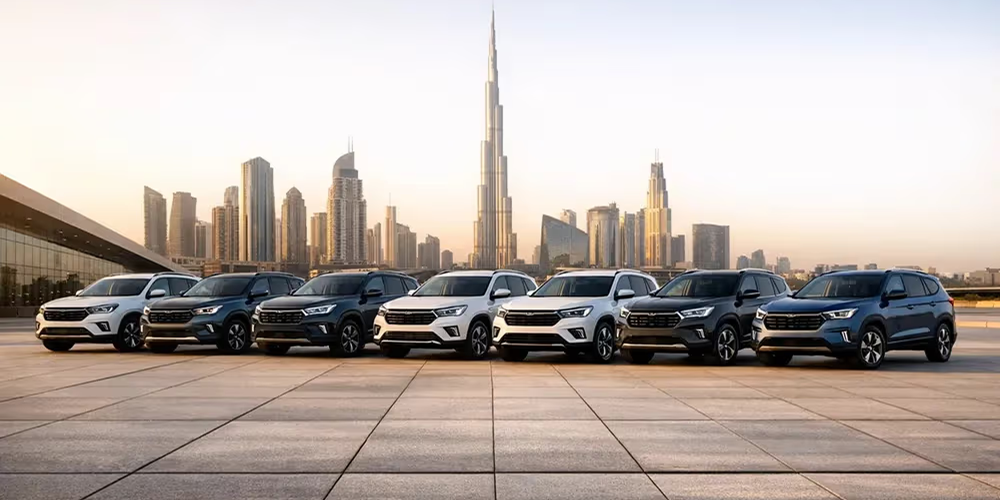
Thinking about how to choose a car? Buying a car sounds exciting until you actually start looking at the options. A quick search online or a visit to a dealership is enough to leave most people wondering if they’re making the right choice. Should you buy an SUV? Is a sedan still the better option? Is a hatchback okay for day-to-day use, or is a van more practical for a growing family?
The truth is, no one answer works for everybody. The best car isn’t always the most expensive or the one with all the bells and whistles. It’s the one that suits your daily routine, your wallet and how you really drive. This is why it’s so important to know the different types of cars before buying one. If you are buying your first vehicle, upgrading your current vehicle, or even looking at options for export, choosing the correct category is often more important than choosing the correct brand.
This guide walks you through the most common vehicle types, tells you where each one is most effective, and helps you choose the best option for your lifestyle. Here we go!
Don’t Choose a Brand Before Choosing the Right Car Type
It’s a common mistake for many buyers to compare brands before they even know what types of cars they need. Common questions include:
- Which one should I buy? Toyota or Nissan?
- “Is Mitsubishi better than Hyundai?”
Those are important questions, but they come later. The first question should always be:
- “What type of vehicle fits my lifestyle?”
Someone who spends most of the week driving through busy city streets won’t have the same requirements as someone who regularly travels long distances or needs to carry heavy equipment. Once you have chosen the right category, comparing brands and models is much easier.
Understanding the Different Types of Cars
Different cars are built for different purposes. Some are designed for comfort, some for practicality, and some are built to win the roughest road challenges. Let’s start by looking at the most common categories and where each makes the most sense.
Sedan
Sedans are one of the most widely held choices for daily driving. They are not only comfortable but easy to drive, too, and usually offer a smoother ride than many other larger vehicles. If you mostly drive on city streets or highways, a sedan is often a hands-on choice.
Besides, they also have a propensity for getting better gas mileage than their larger SUV counterparts, which many buyers like, making them a smart pick for everyday travels. A sedan may be a good fit for you if you:
- Driving only in city areas
- Want to reduce operating costs.
- Like to drive comfortably on the highway.
- Usually don’t need additional cargo space.
For many people and small families, a sedan still offers a good degree of comfort at an affordable price.
SUV
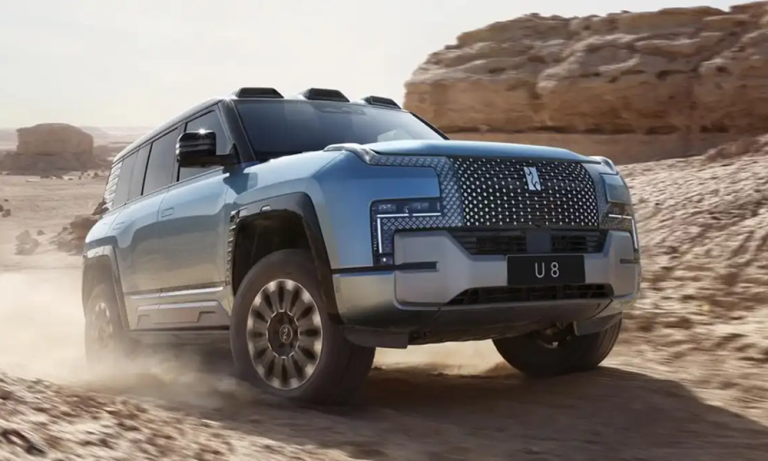
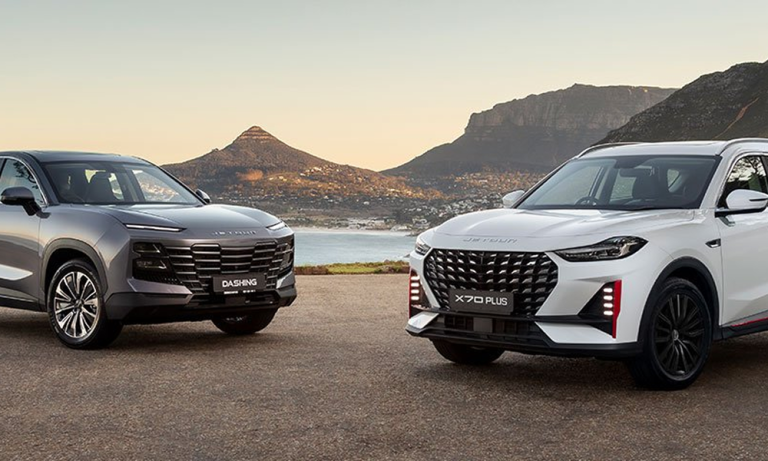
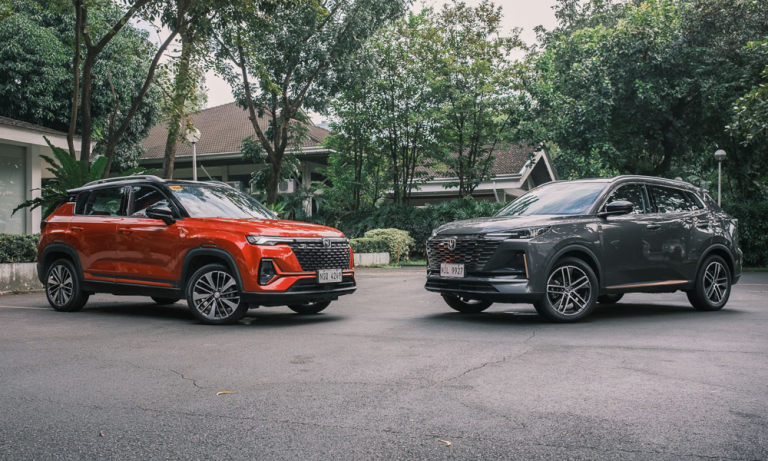
One category that has exploded in the last 10 years is the SUV. SUVs provide an additional seating position, more luggage space, and versatility that families appreciate.
Depending on the model, they’re just as at home on city streets, long-distance drives and the odd off-road excursion. When comparing SUVs vs sedans, many buyers choose an SUV because they want:
- Increased ground clearance.
- More room for passengers.
- Extra space for luggage.
- Increased visibility while driving.
- Greater flexibility for family travel.
That doesn’t automatically make an SUV the better choice. Larger vehicles generally consume more fuel, cost more to insure, and may require slightly higher maintenance costs. The right decision depends entirely on how you’ll use the vehicle.
For buyers exploring modern SUV options, understanding specific models can make the decision easier. Vehicles like the Mitsubishi Outlander have become popular among families and international buyers because of their balance of comfort, reliability, and practicality. You can explore our detailed 2026 Mitsubishi Outlander SUV guide to learn more about its features and suitability for different driving needs.
Hatchback
Hatchbacks remain one of the easiest vehicles to live with, particularly for drivers who spend most of their time in busy cities. They’re small, which makes parking easier, and the rear hatch gives you more flexibility than many people realise.
When storage space is needed, the rear seats can also be folded down to create more room. Regarding a sedan vs hatchback, often the deciding factor for buyers is lifestyle rather than performance. A hatchback can be the best fit if you:
- Mainly consider city driving.
- Always park in a tight spot.
- Desire to cut fuel costs.
- Occasionally need flexible luggage space.
Hatchbacks are often a great first car for first-time buyers given their affordability and practicality.
Sedan vs Hatchback – Which One Should You Go For?
Buyers look at this more than at a lot of others. The differences may seem small on paper, but on a day-to-day basis that’s a different matter. Generally, a sedan offers a quieter cabin and a more traditional driving experience. It is often a preference of drivers who do a lot of highway miles, or for a smoother ride.
The hatchback, however, is all about practicality. The bigger rear opening makes it easier to load groceries, bags, or sports equipment, and its compact size makes driving in the city less stressful. The hatchback vs sedan debate has no clear winner.
The best choice can also depend on where you plan to drive the vehicle. Road conditions, climate, and driving requirements vary between countries. Our SUV vs sedan comparison for Kazakhstan roads explains how different vehicle types perform in specific environments.
Which category is more popular is not as important as how you use your vehicle every day to determine the better choice.
Pickup Trucks – Built for More Than Just Work
For many people, a pickup truck is something they associate with construction sites or farms. While that’s certainly one of its strengths, today’s pickup trucks have become much more versatile.
Modern pickups are comfortable enough for everyday driving while still offering the durability needed for demanding work. They’re a popular choice for business owners, contractors, outdoor enthusiasts and those who regularly tow trailers or carry heavy equipment. If you need to transport tools or materials (or even recreational gear), a pickup truck is far more practical than a sedan or hatchback.
You might want to consider a pickup if you:
- Regularly carry heavy loads.
- Travel to rural or construction sites.
- Needs to be able to tow.
- Do camping, off-road driving, or outdoor activities.
Pickup trucks are bigger than most passenger cars, but many buyers like the flexibility they provide. They can handle work during the week and weekend getaways with the same ease.
Van vs SUV – Which One Fits Your Lifestyle?
Another comparison that buyers often confuse is van vs SUV. Both have more passenger capacity but are built to different specifications. A van is built to move people or cargo as efficiently as possible. Large families, hotels, tour operators, schools, and businesses that regularly move passengers or equipment all make extensive use of it.
But an SUV is a happy compromise between passenger comfort and everyday utility. It has a higher ground clearance, looks better, and is often better for mixed driving conditions. If you need the most possible room for people and gear, a van could be the way to go.
If you want something that feels a little more like a passenger car but gives you the extra room you want, an SUV is generally the more practical choice. It really depends on what the vehicle will be used for; there is no right or wrong answer.
Don’t Forget the Cost of Ownership
Many buyers compare vehicles based only on the purchase price. In reality, owning a car involves several ongoing expenses that should also be considered. These include:
- Fuel consumption
- Insurance
- Routine servicing
- Replacement parts
- Tyres
- Registration
A vehicle that seems affordable today may become more expensive to own over the next five years. That’s why it’s worth thinking beyond the showroom price. Sometimes spending a little more upfront on a reliable vehicle can reduce maintenance costs over the long term.
Common Mistakes Buyers Make
Buying the wrong type of vehicle doesn’t usually happen because people choose a bad car. It happens because they choose the wrong car for their lifestyle. Some of the most common mistakes include:
Buying More Vehicles Than You Need
For many, it’s easy to get attracted to a large SUV, but if you generally drive single-handedly, you possibly will never use the extra space.
Making a Choice Based Only on Looks
A car may look extraordinary, but practicality should always be the priority. Comfort, maintenance costs, and reliability often have a bigger impact on long-term satisfaction than appearance.
Ignoring Future Costs
Many first-time buyers focus exclusively on the buying price and overlook the need to consider insurance, servicing, and fuel costs. Looking at the total cost of ownership gives a much clearer picture of what the vehicle will actually cost over several years.
Following Trends
Just because a particular model is popular doesn’t automatically mean it’s the right choice for you. Your driving habits should influence your decision far more than current market trends. A vehicle that fits your daily routine will almost always prove to be the better investment.
How to Choose a Car That You’ll Still Be Happy With Years Later
By now, you’ve probably realised that choosing a car isn’t really about finding the “best” one. It’s about finding the one that fits your life. A vehicle that works perfectly for one person can be completely impractical for someone else. That’s why it’s worth slowing down before making a purchase.
Looking Beyond Today’s Needs
One mistake many buyers make is choosing a vehicle based only on their current lifestyle. Life changes. A growing family, a new job, or even moving to a different city can completely change what you expect from your vehicle.
Buying with the future in mind doesn’t necessarily mean spending more money. It simply means choosing something that can continue meeting your needs for years rather than months.
Sometimes a slightly larger SUV or a pickup with extra versatility proves to be the better long-term decision.
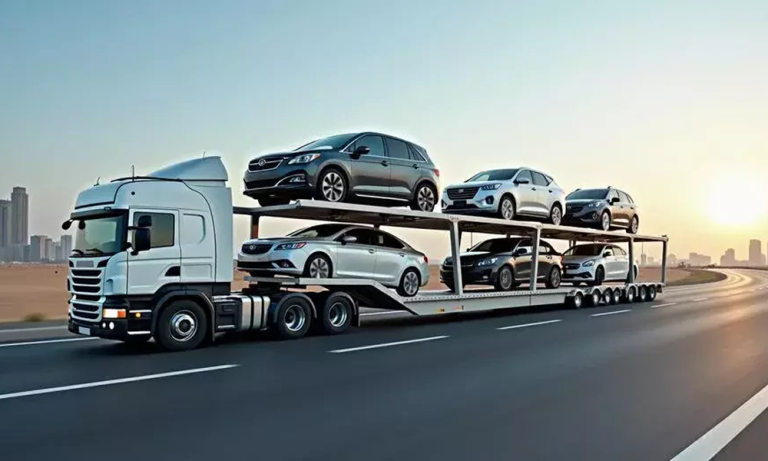
Choosing the Right Vehicle for Export
If you’re buying a vehicle with export in mind, there are a few additional things worth considering. Besides choosing the right type of car, it’s important to think about how well that vehicle performs in the destination market.
- Is this model already popular there?
- Will spare parts be easy to find?
- Are servicing costs reasonable?
- Does the vehicle meet local import requirements?
- Will it be easy to resell later?
These questions become just as important as choosing between an SUV, sedan, hatchback, or van. Many experienced buyers also work with reputable car exporters who understand local documentation requirements and can help make the process much smoother.
There Isn’t One Perfect Car
People often search for the “best” vehicle. In reality, there isn’t one. The best car for a family of five won’t necessarily suit someone who drives alone every day. Likewise, a pickup truck that’s perfect for a contractor may feel unnecessary for someone who only commutes to the office. That’s why understanding the different types of cars is so valuable.
Rather than following trends or buying what someone else recommends, focus on how the vehicle fits into your own routine. This will help you end up making a much better decision.
Frequently Asked Questions
SUV vs sedan – which one should I buy?
The answer is your style of life. If you do most of your driving in the city and need lower running costs, a sedan may be a better option. If you travel a lot with your family, carry a lot of luggage, or like to sit higher up when driving, an SUV is often a good idea.
What is the difference between a sedan and a hatchback?
When comparing sedan vs hatchback, the biggest difference is practicality. A hatchback usually offers easier access to the luggage area and greater flexibility for carrying larger items, while a sedan often provides a quieter cabin and a more traditional driving experience.
Hatchback vs sedan – which is better for city driving?
For many city drivers, a hatchback is easier to park and manoeuvre because of its compact size. However, buyers who spend more time on highways may prefer the additional comfort that many sedans provide.
Van vs SUV – which is more practical?
If your priority is carrying more passengers or cargo, a van generally offers greater space. An SUV provides a balance between passenger comfort, luggage capacity, and everyday driving, making it a popular choice for families.
Which type of car usually has the best resale value?
Resale value depends on the brand, condition, mileage, and market demand. In many regions, well-maintained SUVs and popular sedans tend to retain their value well, particularly when supported by a good service history.
Final Thoughts
Buying a car is one of those decisions you will be living with every day, so it is well worth taking the time to get it right. Let your needs guide your selection, not ads, trends, or other people’s tastes.
Whether you’re comparing an SUV vs sedan, weighing up a sedan vs hatchback, deciding between a van vs SUV, or simply trying to understand the different types of cars, the best choice is the one that makes everyday driving easier, more comfortable, and practical for years to come.


 Cookie Consent