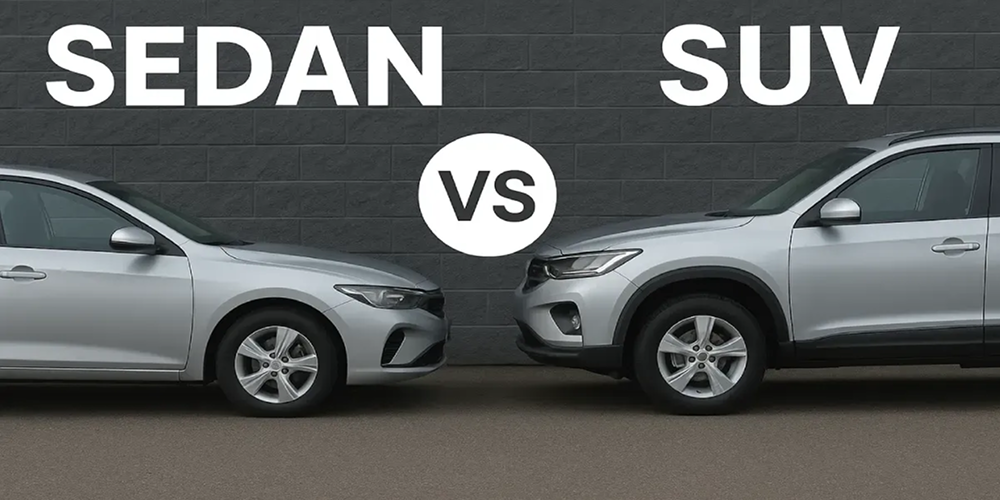
Owning a car, as per your expectations in the ninth-largest country like Kazakhstan, is not about taste alone. It is a strategic decision that is guided by the geography, climate, and infrastructure in the country. In the modern skyline of Astana and the Caspian steppes, you are in the right place. In 2026, a major decision every Kazakh automobile consumer will have to make is between an SUV and a Sedan. This debate is important whether you’re driving through Almaty’s winding streets or on the A2 highway.
The problems of Kazakhstan are a special case: swings in the temperature up to +40°C in the summer and down to -40°C in the winter, a combination of the ultra-modern urban infrastructure and unsealed roads in the country areas that require serious mechanical grit. We will go into the advantages and disadvantages of the two body styles in this guide in an effort to determine the one that should really be in your garage.
The Landscape: The reason why Kazakhstan is different
Initially, we analyze the asphalt, built metal, and its road grip. Kazakhstan is undertaking a massive renovation of its roads. By 2026, the government will increase the construction of such projects as the so-called Centre-West corridor and essential reconstructions of the Kyzylorda-Zhezkazgan way.
Nonetheless, on the primary highways, which are entering a favorable state, the last mile to most villages or sightseeing sites, such as Charyn Canyon, is not yet on par with smooth roads, so a vehicle that does not mind a lot of dust and gravel will still be needed.
The Sedan Case: The King of the City
The sedan is not a recommended choice if you reside in the cities of Almaty, Astana, or Shymkent. Indeed, the MG5 continues to stand out in the market. Why? Due to its cost-effective nature, coupled with a durable effect.
Kazakhstani cities are becoming highly congested. Sedans have a smaller footprint, making parallel parking near the Green Bazaar or maneuvering in small residential courtyards much easier.
Performance. In the smoother parts of the highway of Western Europe to Western China, a sedan such as the Toyota Camry or Kia K8 will be much smoother and more aerodynamic. The lower center of gravity translates to improved handling and a reduction of the sway when the notorious steppe winds blow.
The SUV Case: The Steppe Warrior
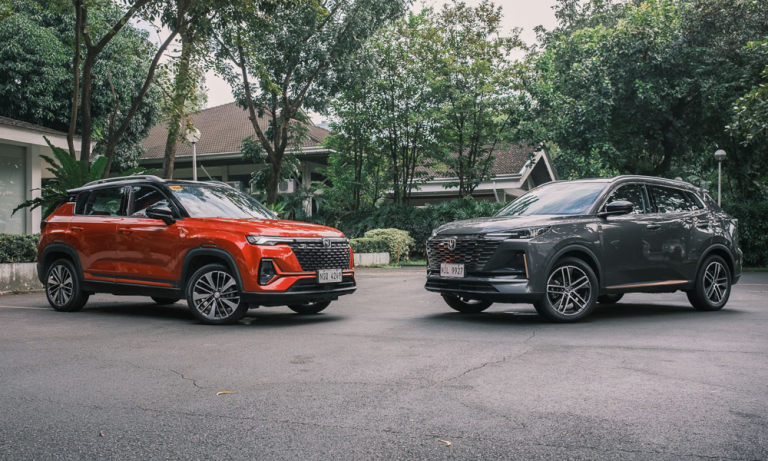
It is not in vain that the Hyundai Tucson and Kia Sportage are as close to the heels of the sedans as they can be. To most people, an SUV is not luxurious; it is a kind of insurance against the weather.
- Ground Clearance: Through the spring thaw (koktem), under the slush, there can be deep potholes in the city streets. A high clearance of an SUV stops any damage to the underbody that would stall out a lower sedan.
- Winter Dominance: When the snowfall occurs in Northern Kazakhstan, all-wheel drive (AWD) systems, which are a feature of most SUV models, have the power necessary to get out of a snowbank. The high seating posture also increases the visibility of the drivers during heavy snowfalls.
The Fuel Economy Equation: SUV vs Sedan Fuel Economy
In such a large country, hundreds of kilometers rather than minutes separate the metropolises. This leads to one of the very important considerations, SUV vs sedan fuel efficiency.
In most instances, sedans are the victors of this battle. They also have lighter frames and streamlined bodies, which reduces the resistance when they are cutting through the air. Assuming that the commuter travels a substantial number of miles between Almaty and Taldykorgan, the savings in fuel of a sedan may reach thousands of Tenge per month.
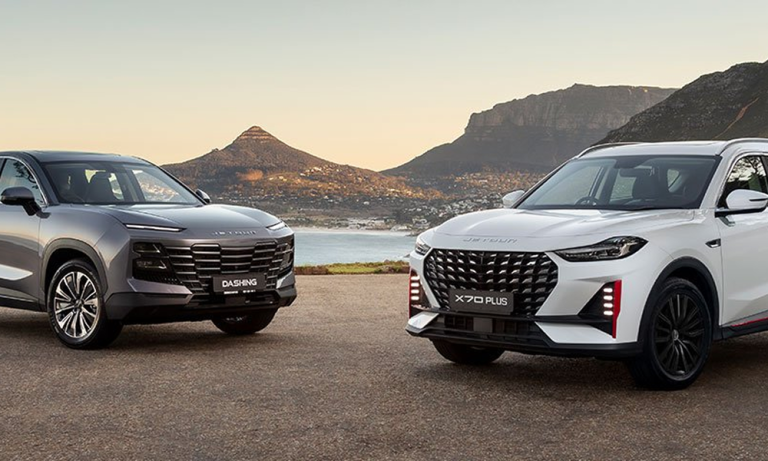
However, the gap is closing. By 2026, the gas guzzler will be a concept of the past because Chinese manufacturers such as Chery and Jetour are flooding the market with SUVs. Most of the new compact SUVs are able to attain significant mileage rates that are comparable to older mid-size sedans. In case you value efficiency and desire the space, a crossover could be the compromise solution that you seek.
The reasons more Kazakhs are looking to the Gulf
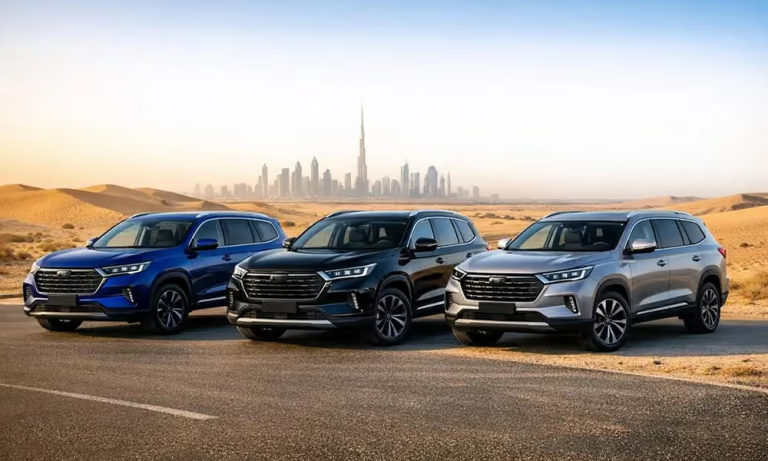
The domestic market can be constrained at times with regard to direct availability or exact high-trim alternatives due to the local demand for high-quality vehicles skyrocketing. It is here that the international market enters. A lot of astute consumers are approaching a car exporter in Dubai to identify a particular model, color, and set of features that they want.
Dubai has long been the world center in terms of vehicle trade, with everything from the Mitsubishi ASX (a dependable compact SUV well-suited to hot-weather city driving and everyday use) to the latest luxury German sedan.
The Logistics of the Move
In case you conclude that a particular model is not locally available, then you can consider importing cars from Dubai to Kazakhstan. This may also seem daunting, but the process in 2026 has been made highly efficient.
- Selection: You select a vehicle complying with the Euro-5 emission standards, which are necessary in Kazakhstan.
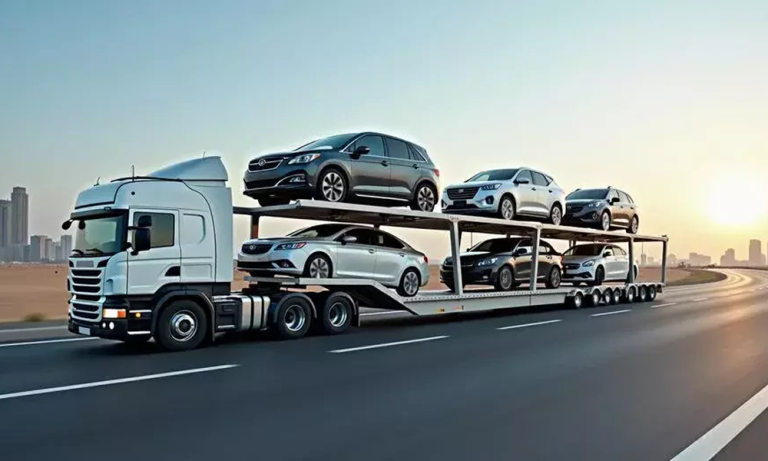
- Shipping: The majority of vehicles are transported with the help of a container to arrive in excellent condition, but Ro-Ro (Roll-on/Roll-off) is a less expensive variant.
- Customs: You will have to pay the VAT (910) and the customs duties (depending on the size of the engine) and the recycling fee (utilization fee).
Despite such expenditures, the price transparency and quality maintenance of the UAE vehicles usually reduce importing as a more cost-effective decision to luxury or exclusive off-road markets.
In Conclusion: Making the Right Call
In conclusion, choosing between an SUV and a sedan in Kazakhstan is not about which one is better overall. It is about which one fits your lifestyle, driving routes, and local road conditions.
If most of your driving involves school runs in Astana, office commutes, and weekend shopping, a smooth and fuel-efficient sedan may be the better choice. It is easier to park, more economical, and comfortable on well-maintained city roads.
However, if you often travel toward the Alatau Mountains, drive on rural roads, or live in an area with heavy snow for months, an SUV makes more sense. Its higher ground clearance, stronger road presence, and better winter capability can make everyday driving safer and easier.
Whether you buy locally or work with a car exporter in Dubai, choose a vehicle that gives you comfort, safety, and confidence on Kazakhstan’s wide and changing roads. The SUV vs sedan decision is personal, so take your time, compare your needs, and enjoy driving across the Great Steppe.
FAQs
1. Does the city of Almaty actually require an SUV during the wintertime?
The Almaty main streets are cleared relatively quickly; however, the side streets and residential localities located in the mountains can be icy for possibly several days. A 4-wheel-drive SUV is far more assured, whereas a front-drive sedan and high-quality studded tires will be able to service 90 percent of city driving.
2. Which is safer on the Kazakhstani highways?
They both are safe, albeit differently. A sedan is not easily rolled over, and it is more maneuverable in times of emergency. A multi-car crash would be safer with an SUV due to its weight, and it would be more conspicuous to notice wandering cows on the rural roads.
3. Is it more expensive to maintain an SUV in Kazakhstan?
Yes. As a rule, SUV tires are more costly, and their suspensions are more complicated. Moreover, they will need more oil due to bigger brake parts, and long-term service can be a bit more expensive.
4. Can a right-hand car be imported into Dubai?
No. The registration of vehicles with the right-hand drive in Kazakhstan is highly restrictive. Importing of the vehicle must be a left-hand drive (LHD) model because that is the norm in any case in the UAE.
5. What impact does the recycling fee have on my decision?
The charge is usually computed based on engine capacity. The price could be greater on an SUV since it generally has a bigger engine than a small-engine compact sedan. It is crucial to work this out prior to completing your purchase.


 Cookie Consent